Hervorheben:
Flexible Keramikrohrleitung mit ausgezeichneter Abriebfestigkeit
, Anpassbarer Innendurchmesser
, mit Keramik ausgekleideter Gummischlauch
Keramik-Flexrohr für Baggerarbeiten und Sandtransport
Produkteinführung
Bagger- und Sandschlepparbeiten in Häfen, Flüssen und Küstenbauumgebungen beinhalten hochabrasive Mischungen aus Sand, Schlick, Kies und Wasser. Diese Materialien erzeugen einen kontinuierlichen erosiven Fluss, insbesondere unter Bedingungen hoher Strömungsgeschwindigkeit und hohen Drucks.
Herkömmliche Gummischläuche versagen oft vorzeitig aufgrund von innerem Verschleiß, während Stahlrohrleitungen unflexibel sind und unter dynamischen Belastungsbedingungen wie Wellenbewegung, Vibrationen von Geräten und Rohrleitungsverschiebungen zum Reißen neigen.
Die Herausforderung besteht nicht nur in der Abriebfestigkeit, sondern auch in der Aufrechterhaltung der strukturellen Integrität und Flexibilität unter sich ständig ändernden Arbeitsbedingungen.

Strukturelle Ingenieurkonstruktion
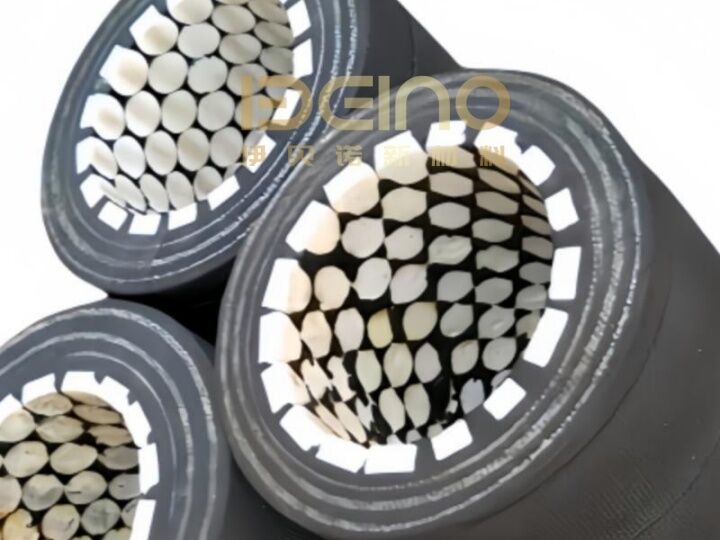
Diese flexible Keramikrohrleitung ist mit einer mehrschichtigen Verbundstruktur konstruiert, die für den Schlepptransport optimiert ist:
Innenschicht – Aluminiumoxidkeramik (≥95%):Bietet extrem hohe Härte und Widerstandsfähigkeit gegen Erosion durch Sandpartikel.
Zwischenschicht: Gewährleistet starke Haftung zwischen Keramik und Gummi und verhindert Delamination unter Hochdruckfluss.
Außenschicht – Verstärkter Nitrilkautschuk (NBR):Bietet Flexibilität, Zugfestigkeit und Widerstandsfähigkeit gegen Umwelteinflüsse wie Meerwassereinwirkung.
Dieses Design ermöglicht es der Rohrleitung, auch unter Biege-, Vibrations- und Druckschwankungen eine Leistung aufrechtzuerhalten.
Strömungsverhalten & Verschleißmechanismus
In Baggersystemen wird Verschleiß hauptsächlich verursacht durch:
♣Hochgeschwindigkeits-Partikelaufprall auf Rohrleitungswände
♣Turbulenzen an Bögen und Verbindungsstellen
♣Sedimentation und Wiederbeschleunigung von Partikeln
Die glatte keramische Innenfläche reduziert die Turbulenzintensität und minimiert die Reibung zwischen Partikel und Wand, wodurch die Verschleißraten im Vergleich zu herkömmlichen Gummischläuchen erheblich gesenkt werden.
Darüber hinaus verhindert die Härte von Aluminiumoxidkeramik (≥85 HRA) Mikroschnitte und Oberflächenschäden, die durch scharfe Sandpartikel verursacht werden.
Anwendungsszenarien in Baggerprojekten
♣Dieser abriebfeste Keramikschlauch wird häufig eingesetzt in:
♣Hafenbaggerrohrleitungen
♣Fluss- und Kanalentwässerungsprojekte
♣Sandaufschlämmungstransportsysteme
♣Offshore-Aufschüttungsprojekte
♣Pumpenentleerungsrohrleitungen
Technische Vorteile
♣Verlängerte Lebensdauer unter Sandaufschlämmungsbedingungen
♣Reduzierte Ausfallzeiten bei Baggerarbeiten
♣Flexible Installation für schwimmende oder landgestützte Rohrleitungen
♣Hohe Beständigkeit gegen Meerwasser und Umwelteinflüsse
♣Geringere Lebenszykluskosten im Vergleich zu Stahl- oder Gummileitungen
FAQ
F1: Wie lange ist die Lebensdauer unter Baggerbedingungen?
A: Die Lebensdauer hängt von der Aufschlämmungskonzentration, der Partikelgröße und der Strömungsgeschwindigkeit ab. Unter typischen Sand-Wasser-Mischungen kann die flexible Keramikrohrleitung 3-5 Mal länger halten als Standard-Gummischläuche, insbesondere in verschleißintensiven Abschnitten wie Pumpenauslässen und Bögen.
F2: Kann der Schlauch Aufschlämmungen mit hoher Sandkonzentration handhaben?
A: Ja. Die hochharte Aluminiumoxidkeramik-Auskleidung (≥85 HRA) ist speziell dafür ausgelegt, schwere Partikelerosion zu widerstehen, was sie für Transportsysteme mit hochkonzentrierten Sandaufschlämmungen geeignet macht.
F3: Ist sie für Offshore- oder Meerwasserumgebungen geeignet?
A: Ja. Die äußere NBR-Gummischicht bietet eine gute Beständigkeit gegen Meerwasser, Feuchtigkeit und Umwelteinflüsse, was sie für Küsten- und Offshore-Baggerprojekte geeignet macht.
F4: Kann sie Stahlrohrleitungen in Baggersystemen ersetzen?
A: In verschleißintensiven und flexiblen Abschnitten ja. Keramikschläuche sind ideal für den Ersatz von Stahlrohrleitungen in Bereichen, in denen Abrieb und Vibration kritische Faktoren sind, während Stahlrohre weiterhin für lange gerade Abschnitte zur Kostenoptimierung verwendet werden können.
F5: Was sind die typischen Ausfallpunkte herkömmlicher Schläuche?
A: Herkömmliche Gummischläuche versagen typischerweise aufgrund von Verschleiß der Innenwand, Delamination oder Rissen unter Druckschwankungen. Die keramikbeschichtete Struktur reduziert diese Risiken erheblich.
F6: Ist die Installation im Vergleich zu Stahlrohren kompliziert?
Nein. Die flexible Keramikrohrleitung ist aufgrund ihrer Flexibilität einfacher zu installieren. Sie kann sich an unebenes Gelände und dynamische Umgebungen anpassen, ohne dass eine komplexe Ausrichtung erforderlich ist.
F7: Wie wählt man die richtige Schlauchgröße aus?
Die Auswahl sollte Durchflussrate, Aufschlämmungskonzentration, Partikelgröße und Systemdruck berücksichtigen. Unser Ingenieurteam kann kundenspezifische Größenempfehlungen basierend auf Projektdaten liefern.
F8: Reißt die Keramikauskleidung unter Biegung?Nein. Der Schlauch ist mit einer segmentierten Keramikstruktur und elastischer Gummistütze konstruiert, die es ihm ermöglicht, die Integrität unter kontrollierten Biegebedingungen aufrechtzuerhalten.

 Ihre Nachricht muss zwischen 20 und 3.000 Zeichen enthalten!